
Caribbean healthcare is many countries can offer advanced medical facilities and services. Every island, from the Dominican Republic and Puerto Rico to Cuba and the Bahamas, has distinct access to health services. Countries like the Bahamas and Cuba have excellent public health care systems and private hospitals, whereas Puerto Rico offers VA Caribbean healthcare to eligible US veterans.
This article was produced by Global Citizen Solutions to provide comprehensive information about the Caribbean’s healthcare system, including available medical centers, health insurance for expats, and other services.
We’ll also offer insights into the VA Caribbean Healthcare System, which provides healthcare services for eligible American veterans living in specific Caribbean countries.
Caribbean Healthcare at a Glance


Varied quality: Healthcare standards in the Caribbean vary significantly from island to island. Some have modern healthcare infrastructure and readily available care facilities, while others offer limited medical resources, including skilled personnel and specialized equipment.
High-quality private healthcare: Many Caribbean islands have excellent private hospitals and clinics, attracting many expats who prefer private care. These include the Cayman Islands, Bahamas, and Barbados.
French Caribbean: Martinique, Guadeloupe, St Martin, and St Barts are part of the French healthcare system, with Guadeloupe, St Martin, and St Barts coming under the Regional Health Agency of the French Republic.
Dutch Caribbean: Aruba, Bonaire, Curaçao, and Saba have established healthcare systems that serve residents of the Kingdom of the Netherlands, although the availability of specialist care varies across islands.
Access to specialists: Though quality can vary across the region, larger Caribbean islands like Barbados, the Dominican Republic, and Jamaica have improved their specialized medical care services.
- The University Hospital of the West Indies (UHWI) in Jamaica is a 579-bed regional referral hospital.
- The Queen Elizabeth Hospital in Barbados serves as a cardiac referral center for the Eastern Caribbean and Guyana.
- The Dominican Republic is a popular destination for medical tourism in the Caribbean.
Medical tourism potential: Caribbean countries such as Cuba and the Dominican Republic boast many highly qualified medical professionals and low healthcare costs, attracting a large number of medical tourists.
Challenges: Some Caribbean islands face a shortage of skilled health professionals, limited funding, and rising rates of chronic disease.
Antigua and Barbuda
Citizens of Antigua and Barbuda have free access to ambulatory care. The country’s largest medical facility is Sir Lester Bird Medical Centre, a multi-use medical facility with a teaching hospital. The hospital has a hyperbaric chamber, with the hospital beginning to treat decompression sickness in December 2025.
While the standard of Antigua and Barbuda’s healthcare across its hospitals varies, a driving force behind the country’s renowned health is that it ranks the second highest among independent Caribbean nations for life expectancy, according to a report by the 2024 World Population Prospects report by the United Nations.
Global Health Workforce Statistics from the World Health Organization (WHO) rated Antigua and Barbuda as having the most nurses and midwives per 1,000 population in the Caribbean–9.7 per 1,000 population (2019).
The Bahamas
The Bahamas is a major tourist hub for international travelers and is home to many expats, including those looking to enjoy their retirement in the sun through programs like the Bahamas Economic Permanent Residency. It makes sense that the nation has a reputation for offering good healthcare in the Caribbean. In 2021, the World Health Organization reported that the country’s health expenditure was 7% of its GDP.
Everyone can access healthcare at three main public hospitals in The Bahamas: Princess Margaret Hospital and Sandilands Rehabilitation Centre in Nassau, and Rand Memorial Hospital in Freeport. These offer a range of care, from maternity to surgery.
There are also two private hospitals and a network of clinics across the other islands. However, some do not offer 24-hour services seven days a week. The Bahamas National Youth Guard is a government program that trains young individuals to assist public and private agencies during hurricane activity and other national emergencies.
There is no public health scheme that foreign nationals can access, but health insurance options are available to cover emergency medical services and evacuation or repatriation.
St Kitts and Nevis
St Kitts and Nevis’s combination of modern healthcare facilities, access to advanced and specialized medical treatment, and well-qualified medical professionals has shaped its reputation in Caribbean healthcare.
Well-equipped hospitals and clinics, such as the Joseph N. France General Hospital and Meridian Medical Centre, provide laboratory and radiology services, advanced diagnostics, and maternal and neonatal care.
St Kitts and Nevis launched the Mental Health Service System Enhancement Project in collaboration with Taiwan (Republic of China) and has established healthcare initiatives with international institutions like the World Health Organization (WHO).
These factors demonstrate the government’s commitment to improving healthcare in St Kitts and Nevis. The United Nations Development Program (UNDP) Human Development Report (HDR) for 2024 ranked St Kitts and Nevis number one among CARICOM nations, with a fundamental contributor being the population’s health and life expectancy.
Cuba
Cuba has a thriving medical Caribbean tourism industry and excellent facilities and telemedicine services for private patients. Havana is home to many of Cuba’s major hospitals and specialized medical facilities, including Hospital Hermanos Ameijeiras, a national referral facility providing advanced and specialist care. Standards in less urban areas tend to vary. Having a comprehensive insurance plan and also ensuring you have enough cash to cover treatment or evacuation is advised, as upfront payment may be necessary.
The standard of facilities and availability of healthcare services can be inconsistent across the country. According to data released by the World Health Organization (WHO) in 2020, Cuba tops the Caribbean healthcare rankings in terms of the number of physicians per 10,000 people. However, there is currently no recent assessment for the Caribbean.
Nevertheless, Global Citizen Solutions Global Intelligence Unit cited a report by the Pan American Health Organization in its Extending the Blue Zone Model, showing that life expectancy at birth in Cuba reached 78.3 years in 2024, exceeding the regional average for the Americas and displaying a 2.4-year increase since 2000.
Visitors should bring any medication they need with them (accompanied by a prescription and a letter from their doctor explaining their need for them) as pharmaceutical availability may be limited.
Jamaica
The standards in private and public medical facilities in Jamaica can vary. Some of the best hospitals in Caribbean countries are located in tourist areas like Montego Bay and the capital, Kingston, and cater adequately for most ailments and types of emergency treatment.
Primary health care is delivered through a network of clinics and regional centers, including 24 public hospitals and six private facilities. The University Hospital of the West Indies (UHWI) in Jamaica is a 579-bed regional referral hospital that facilitates both essential care and clinical training.
The World Health Organization (WHO) published data showing that Jamaica also had a health expenditure of 7% of its GDP in 2021. Like other Caribbean islands, expats benefit from a comprehensive health insurance plan and cash on hand to pay for treatment if necessary.
Dominican Republic
Private medical facilities in Santo Domingo, Dominican Republic, offer a level of treatment and care similar to those in developed countries. Standards in other cities may vary, however. The country has developed a substantial private medical tourism sector, with specialist hospitals and clinics offering a range of advanced medical procedures, including cosmetic surgery, dental reconstruction, and orthopedic procedures. The country has also been strengthening its healthcare networks and specialist referral pathways with support from PAHO/WHO.
Though the Dominican Republic provides some of the best medical care in the Caribbean, expats are advised to buy comprehensive health care insurance that covers repatriation or evacuation for certain conditions.

If you are an expat planning to move to the Caribbean, you should consider getting comprehensive healthcare insurance. Additionally, you should also keep some cash in hand, as some hospitals and clinics may ask you for payment first. Therefore, before you buy your insurance coverage, make sure you consider all these factors when moving there, even if the designated country has a reputable healthcare system.
Health insurance in the Caribbean for expats
Expats in the Caribbean should ideally opt for global insurance coverage. The best healthcare in Caribbean countries is available at private hospitals, and various insurance companies offer international health insurance plans that cover care at public and private clinics.
If you’re moving or already living in the Caribbean, you should go through several healthcare plans and choose the one that best suits you. American expat veterans have access to free general and mental health care through the VA Caribbean healthcare system; however, this is only accessible in specific locations.
More on healthcare in the Caribbean
There are many different practices around health, government priorities, political policies, and populations in the Caribbean. As such, the standards of medical facilities, investment in public healthcare systems, and access for citizens and expats vary from island to island.
For example, while an expat may have good access to paid healthcare in Grenada, this comes at a cost. Whereas public services in countries like Barbados and the Dominican Republic offer adequate services through universal coverage.

The VA Caribbean Healthcare System provides healthcare services to eligible American veterans at 11 locations. VA healthcare is available to veterans, their families, and caregivers.
The VA Caribbean Healthcare System offers a wide range of health, support, and facility services for Veterans in Puerto Rico, Saint Thomas, and Saint Croix, including primary care, mental health care, specialty care, and social programs and services.
VA Caribbean Healthcare is distinct from the broader healthcare systems across the Caribbean, as it operates under the US Department of Veterans Affairs.

To determine the best Caribbean healthcare solutions and the process of accessing the health services you require, you must do thorough research. St Lucia healthcare includes both public and private facilities. In contrast, Cuba operates a predominantly state-run healthcare system, with healthcare facilities generally owned and operated by the government rather than jointly alongside private companies.
Below is a checklist of considerations that will determine healthcare accessibility and the quality of care in the Caribbean:
- Search for the number of hospitals in the area and how they compare to hospitals in other Caribbean countries.
- Explore the country’s options for universal healthcare plans for expats.
- Some Caribbean banks offer discounted healthcare and life insurance to account holders.
- Find out which healthcare facilities are available and what services they offer.
- Determine access to general practitioners at private clinics, as well as the number of doctors per 1,000 population, using studies.
- Evaluate the options for inpatient and outpatient care.
- Assess the availability of specialized treatments and emergency care.
- If you’re an American veteran, consider the access to VA Caribbean medical centers.
- Measure evacuation or repatriation options if treatment is not available locally or to a satisfactory standard.
This section provides some helpful emergency contact details in the Caribbean.
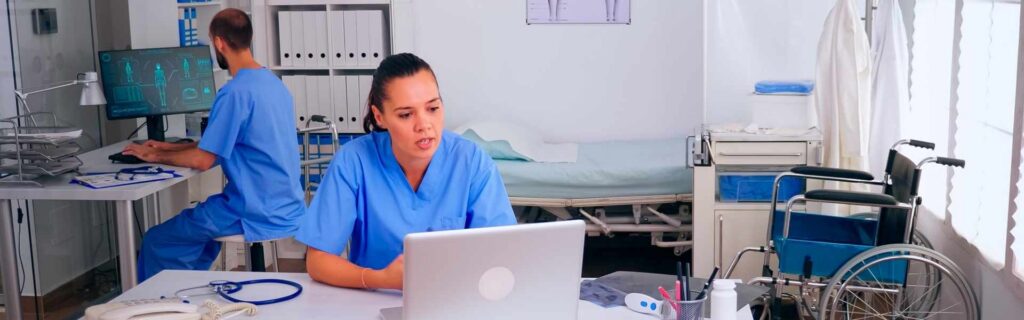
While the cost of living in the Caribbean, including healthcare, is generally lower than in North America, each island has its own services and costs for accessing medical care. Visiting a general practitioner for a specialist consultation in one Caribbean country can be under $100, whereas in another it may cost $200 or more.
If you plan to relocate to the Caribbean, you may be interested in obtaining Caribbean citizenship by investment to fully enjoy the benefits of healthcare in the region. Although every country has its own system, certain countries like Dominica, Grenada, and Antigua and Barbuda have national health insurance schemes, allowing tax-paying citizens to access free healthcare services.

Choosing a Caribbean country with good medical care is one of the top priorities when determining the best place to retire in the Caribbean. Most islands and regional health organizations have limited healthcare systems, presenting complications for residents with urgent medical needs or health conditions requiring specialized treatment.
Good healthcare starts with well-equipped hospitals, experienced doctors, and the readiness to respond to emergencies quickly. Caribbean countries with quality healthcare ensure a better quality of life for all citizens and residents, from retirees and families to children and those living with chronic conditions.
Alongside visa and citizenship services, reputable Caribbean immigration services provide assistance with relocation, including helping clients find the most suitable healthcare arrangements.
- Economic conditions: Countries with stable economies typically have better healthcare infrastructure.
- Population size: Overly large populations may face challenges with healthcare coverage, while tiny populations often mean limited healthcare systems.
- Colonial history: Some islands have healthcare systems influenced by former colonial powers.
