
Buying property in Latvia has become an increasingly attractive option for international investors looking for affordable real estate, strong rental yields, and long-term growth potential. In Riga, the country’s capital and largest property market, average prices are around €2,791 per square meter, while gross rental yields range between 6.7% and 8.61%.
As we consult with more clients at Global Citizen Solutions, we see that there is often confusion between simply buying property in Latvia and qualifying for residency. Following the 1 September 2026 reforms, real estate is no longer a qualifying route under Latvia’s residence-by-investment program for new applicants. This guide explains the difference between buying property in Latvia as a foreigner and obtaining residency through other investment routes.
The guide covers the process of buying real estate in Latvia, including the costs, best places to buy, due diligence requirements, and more.
Buying Property in Latvia: Key Insights

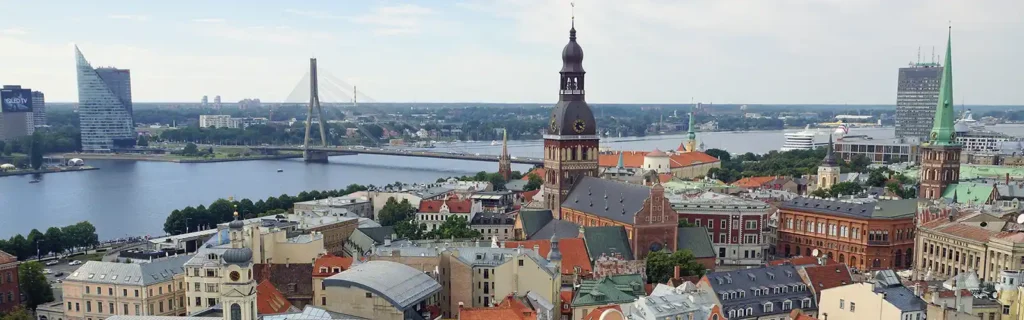
Yes. Most foreign nationals, including non-EU and non-EEA citizens, can purchase residential and commercial property in Latvia in 2026 without having local residency first. However, eligibility depends on the type and location of the property, as well as the buyer’s nationality. Agricultural and forest land, along with property in certain border or protected areas, may face additional restrictions that do not apply to standard apartments or buildings.
Latvia does not apply a single, uniform rule to every buyer and every property.
- Apartments and buildings: The process for buying apartments and residential buildings in Latvia is largely the same regardless of nationality. Buyers generally follow the same steps, including providing identification, signing the purchase contract, completing the notary process, and registering the property in the Land Register. This is the most common and straightforward option for foreign buyers.
- Land and restricted areas: Agricultural land, forest land, and border or protected areas face tighter rules, especially for non-EU/EEA buyers. Buyers interested in these will need to verify a property’s land classification through the Latvia property purchase portal or a local lawyer before committing.
Owning property in Latvia does not automatically grant Latvian residence. Following the 1 September 2026 Immigration Law reform, purchasing property is also no longer a qualifying route under the Latvia Golden Visa for new applicants.
Foreign nationals seeking residency through investment can instead qualify by investing €50,000 or €100,000 in a qualifying Latvian company, or €150,000 through a State-established Alternative Investment Fund Manager (AIFM). A €10,000 payment to the state budget also applies to these investment routes.
If residency is part of your goal, it is important to treat property ownership and the residence application separately. Global Citizen Solutions can help you understand the different Latvia residency-by-investment options and determine which route best suits your goals.
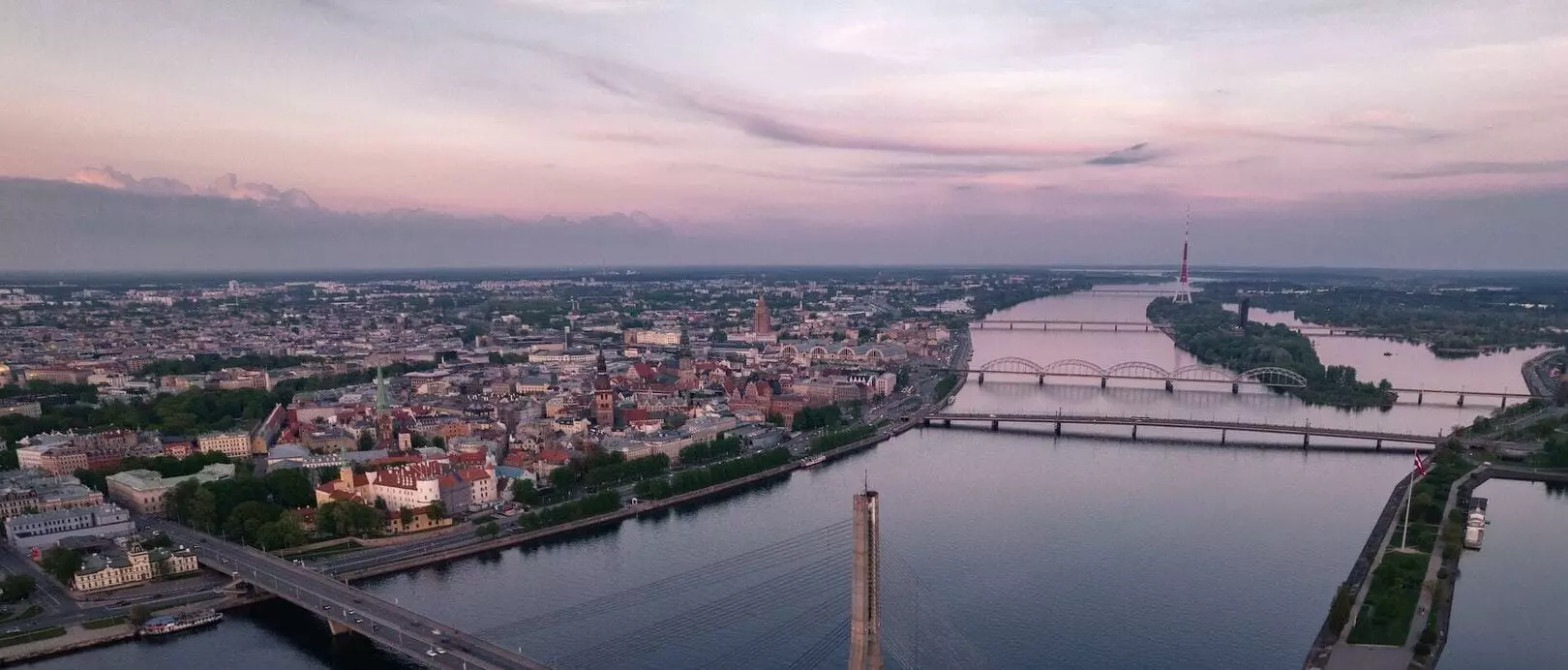
Yes, you can rent out your Latvia Golden Visa property. Latvia does not restrict foreign investors from earning rental income from their real estate investment. However, there are a few things to keep in mind:
- Flexible rental options: You can rent the property through long-term leases or short-term rentals such as Airbnb. There is also no requirement to live in the property to keep your residency.
- Rental yields: Areas like central Riga have strong demand from expats, students, and professionals, with gross rental yields usually ranging from 6% to 9% per year.
- Rental income tax: Rental income is taxable in Latvia. One option is a 10% flat tax on gross rental income, with property expenses such as maintenance and management not deductible.
Before signing a property agreement, buyers should independently check the following:
- Title: Make sure the seller is the registered owner listed in the Land Register.
- Seller identity and authority: Confirm the seller’s identity and make sure they have the legal right to sell. This includes checking spousal consent or corporate authorization where relevant.
- Structures: Check that all buildings on the property are legally registered and match what is being sold.
- Property claims or restrictions: Check for any mortgages, liens, or other legal claims registered against the property.
- Leases and occupants: Find out whether there are existing tenants or occupants whose rights would continue after the purchase.
- Cadastral and permitted use: Confirm that the property’s registered use matches how you intend to use it.
- Pre-emption rights: Check whether a co-owner, municipality, or another third party has a legal right of first refusal.

- Property search: Identify properties that meet your criteria, often with help from a local agent who has experience working with foreign buyers.
- Due diligence: Check the property’s title, legal claims or restrictions, structures, and pre-emption rights as outlined above.
- Preliminary or reservation agreement: This is optional but common. It sets out the main terms while due diligence and financing are being completed.
- Sale and purchase agreement: The agreement is usually prepared with legal assistance to clearly reflect the terms agreed by both parties.
- Notarial certification and signing: The buyer and seller sign the agreement before a Latvian notary. The notary verifies their identities and certifies the transaction.
- Payment: The funds are transferred using the agreed method. Buyers commonly use secure payment arrangements through the notary or an escrow-style process.
- Submission to the Land Register: The signed agreement and supporting documents are submitted to the Latvia Land Register to record the transfer of ownership.
- Registration and handover: Once the Land Register processes the application, the buyer is formally recorded as the owner and possession of the property is transferred. This process takes about one to two weeks.
Jūrmala (Beachfront)
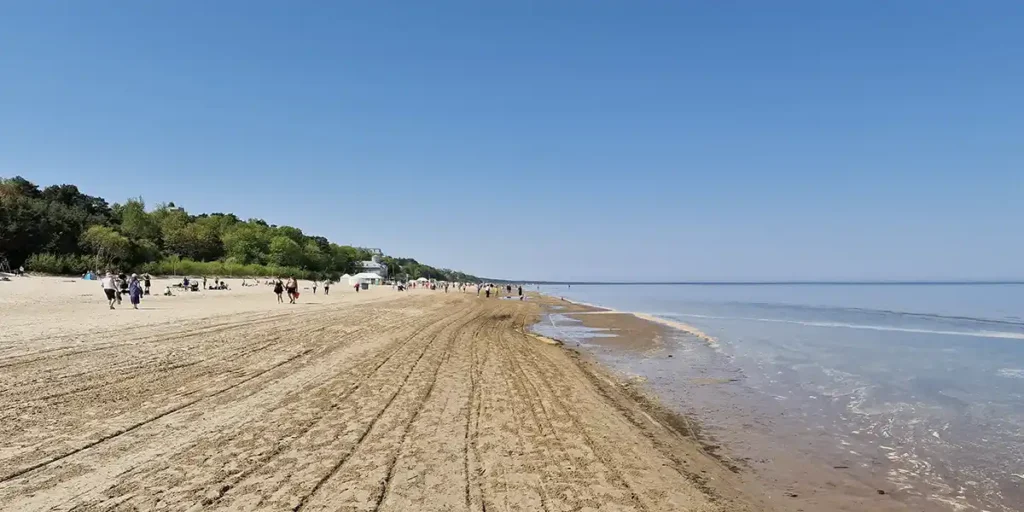
Jūrmala is Latvia’s top seaside destination, located about 25 minutes from Riga. Areas such as Majori, Dzintari, and Lielupe are known for luxury villas and high-end apartments, with prices usually ranging from €2,200 to €3,200+ per sqm. The market is more seasonal, making it a good option for wealth preservation or luxury holiday rentals.
Riga

Skanste is one of Riga’s fastest-growing neighborhoods and is attracting major infrastructure projects and modern office developments. Property prices for new builds range from €2,800 to €4,200 per sqm. The area is popular with corporate workers, expats, and tech professionals, offering good growth potential.
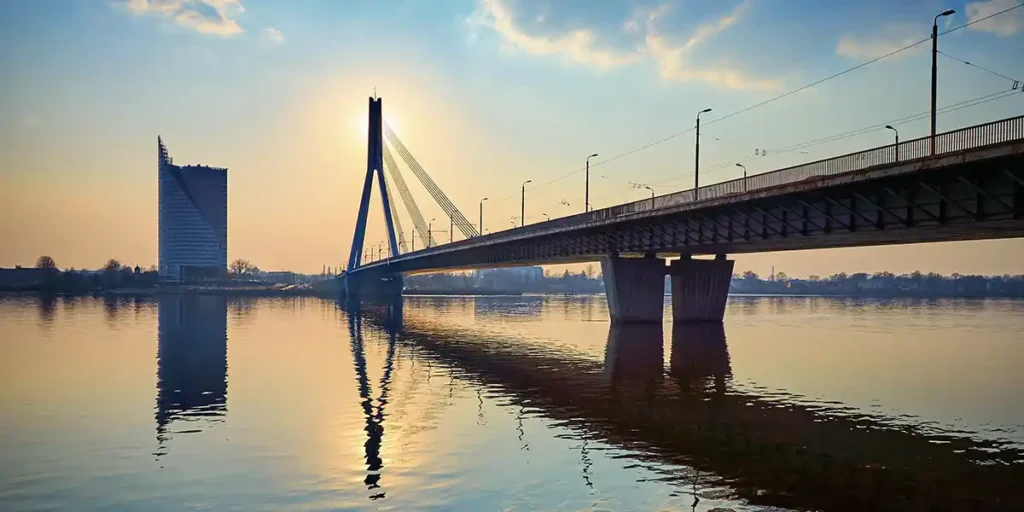
Āgenskalns is located across the Daugava River. It s popular with young professionals, students, and creatives. The area is known for its restored wooden houses, local markets, and café culture. New properties usually cost €1,800 to €2,500 per sqm, with annual growth expected between 5% and 9%.

Purvciems offers strong and stable rental demand from local professionals. It is one of the more affordable areas, with newer apartments costing around €900 to €1,300 per sqm. The area also has some of Riga’s strongest rental yields, between 7% and 10%.
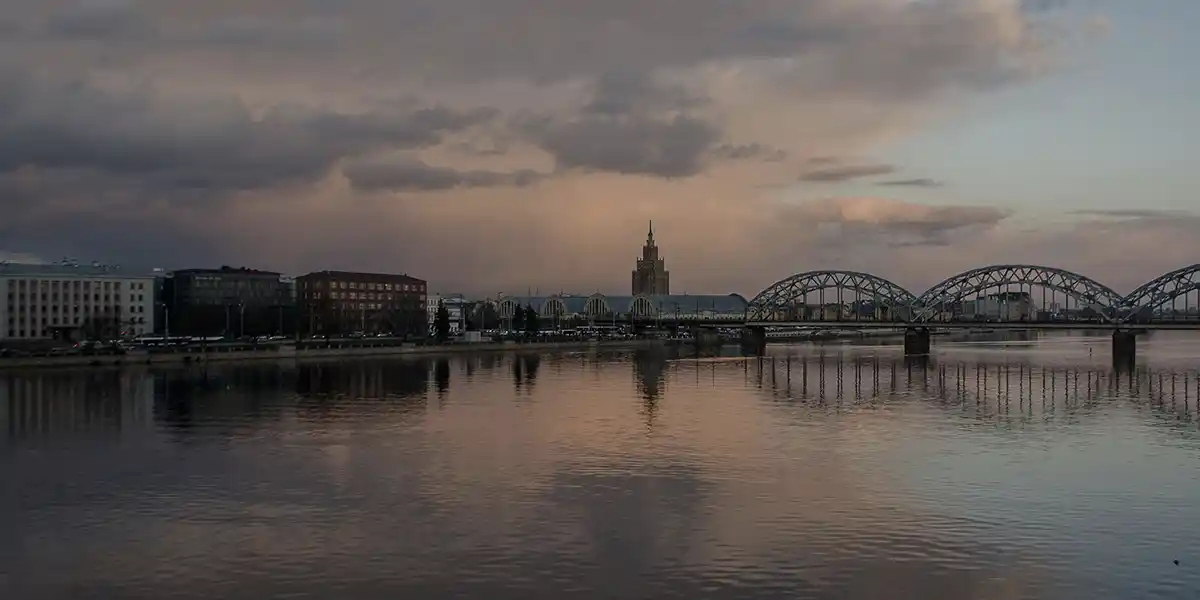
Avoti is an up-and-coming neighborhood close to Riga’s historic center. Property prices are lower, usually between €1,500 and €2,300 per sqm, but rental demand is growing quickly. The area is popular with young professionals and travelers looking for a more local city experience.
When buying property, the purchase price is only part of the overall investment. Buyers should also account for notary fees, registration costs, taxes in Latvia, and legal expenses. Based on Latvia’s Ministry of Finance and recent 2026 tax-reform reporting, here’s what usually applies:
Here are the advantages of buying a property in Latvia:
- Lower entry cost compared with Western Europe: Riga’s central asking prices have been around €2,791 per square meter, which is well below comparable capital city markets. Lisbon’s median transaction price reached roughly €5,198 per square meter in late 2025, according to Statistics Portugal (INE). New residential prices in Madrid and Catalonia averaged roughly €4,900 to €5,000 per square meter in 2025, according to Sociedad de Tasación data reported by Statista.
- EU membership: Latvia has been an EU member state since 2004 and uses the euro. This means property transactions are made in euros and are subject to EU-wide protections, including consumer and financial regulation standards, rather than operating within a non-EU legal and currency environment.
- A documented legal ownership system: Property registration in Latvia is handled through the state Land Register. This gives buyers a checkable, publicly recorded title to the property rather than relying on an informal or undocumented transfer.
- Flexibility of use: Properties can generally be used as a personal residence, for long-term rental, or for short-term rental, such as Airbnb-style lettings. There is no requirement to live in the property yourself.
- Established rental demand in the main cities: Global Property Guide’s Q2 2025 data puts Riga’s average gross rental yield at 8.61%. City centre apartments have yields of 6.72% to 7.59%, while the national average across Latvia is 7.89%. These are among the higher rental yields tracked in Europe, although yields can change as property prices and rents change over time.
Absolutely, Latvia is a fantastic place to buy property for foreign investors. The rental and sales markets have seen significant increases in recent years, and there are no signs of it slowing down. Plus, with lower property prices, Latvia is far more investor-friendly for lower incomes that may not be able to afford major cities in Europe.
- Specialist expertise in the Latvia Golden Visa
- Access to pre-vetted qualifying investment opportunities
- Trusted by 15,000+ clients worldwide
- Over a decade of advisory expertise
- Dedicated relationship manager
- Transparent fees and guidance
- Support beyond approval
