

Our Global Digital Nomad report revealed that Canada is the 4th most desirable places for digital nomads due to its financial market, rich history, and political stability. The country has extensive healthcare coverage, well-developed infrastructure, and quality education.
The Canadian passport ranks 8thth on our Quality of Life Index Score, making it one of the strongest passports for foreign nationals and a highly sought-after citizenship status. With a Canadian passport, you get visa-free travel to over 182 countries.
Canada’s towns and cities cater to various lifestyles, whether you are after natural beauty, city conveniences, entertainment and attractions, or a quiet small town.
Below, you can find the best places to live in Canada based on cost of living, salary, housing, safety index, job market for employment opportunities, investments, retirement, or raising a family. Note that this list is editorial and not one controlled ranking.
01/ Calgary, Alberta

- Province: Alberta
- Language: English
- Average asking rent: $1,267 per month for an available one-bedroom unit in the Calgary metropolitan area.
- Climate pattern: Dry, cold winters, warm summers, and rapidly changing weather.
- Major work sectors: Energy, clean technology, financial and professional services, agribusiness, transportation, logistics, film, and digital technology.
- Transport: Calgary Transit operates buses and the CTrain light-rail system. A car may still be useful in outer suburbs or for frequent trips beyond the main transit corridors.
- Best for: Professionals seeking career opportunities, access to the Rocky Mountains, and a large city with an outdoors-focused lifestyle.
Living costs in Calgary are moderate, with average monthly expenses for a single person, excluding rent. Excellent healthcare, low crime rates, and low taxes contribute to the overall high livability. Calgary also has one of the largest education systems in Canada.
Due to the city’s proximity to the Rocky Mountains, outdoor recreational opportunities such as hiking and skiing are on your doorstep. The city has a warm, friendly atmosphere that makes it easy for expats to feel welcome.
02/ Ottawa, Ontario

- Province: Ontario
- Language: English and French
- Average asking rent: $1,526 per month for an available one-bedroom unit in the Ontario part of the Ottawa–Gatineau metropolitan area in Q1 2026.
- Climate pattern: Cold, snowy winters and warm, humid summers, with distinct spring and autumn seasons.
- Major work sectors: Federal government, technology, defense and aerospace, life sciences, clean technology, and professional services.
- Transport: OC Transpo operates buses and the O-Train light-rail system. A car may be useful in outer suburban and rural areas.
- Best for: Government employees, bilingual professionals, technology workers. and families seeking access to parks and public institutions.
Ottawa is the fourth-largest city in Canada, with a high quality of life and purchasing power.
Compared to other major urban city centers, like Vancouver or Toronto, Ottawa offers above-average access to home ownership due to lower housing costs and living expenses. The city lies far north, which results in cold, snowy winters.
Ottawa residents enjoy the city’s diverse attractions and activities, including Parliament Hill, the 202-kilometre-long Rideau Canal, and the ByWard Market, a buzzing hub of farmers’ market stalls and specialty food shops.
The city is known for its parks, bike paths, and proximity to nature, and history enthusiasts enjoy the Canadian War Museum and the Canadian Museum of Nature.
03/ Edmonton, Alberta

- Province: Alberta
- Language: English
- Average asking rent: $1,116 per month for an available one-bedroom unit in the Edmonton metropolitan area in Q1 2026.
- Climate pattern: Cold, snowy winters and warm summers, with a relatively dry continental climate.
- Major work sectors: Energy, artificial intelligence and technology, clean technology, food and agriculture, logistics, life sciences, and advanced manufacturing.
- Transport: Edmonton Transit Service operates buses and light rail. A car may be useful outside the main transit corridors.
- Best for: Professionals in energy, technology, healthcare, manufacturing. and public services who are comfortable with cold winters.
Edmonton is the capital city of the province of Alberta. It is one of the sunniest regions in the country, with an average of 325 days of sunshine per year. Home prices are affordable for the average Canadian.
The city has a strong economy that balances amenities such as modern healthcare facilities, affordable property prices, and plenty of outdoor activities.
It is home to West Edmonton Mall, one of the largest malls in North America, offering a wide range of shopping, dining, and entertainment options, including a water park and amusement area.
Edmonton is known as “Festival City” and hosts over 50 festivals annually, including the Edmonton Heritage Festival, a three-day celebration of multiculturalism, showcasing diverse cultures, food, and traditions.
04/ Montréal, Québec

- Province: Québec
- Language: French; English is also used in some workplaces and communities, but French is central to employment and everyday life.
- Average asking rent: $1,274 per month for an available one-bedroom unit in the Montréal metropolitan area in Q1 2026.
- Climate pattern: Cold, snowy winters and warm, humid summers.
- Major work sectors: Aerospace, artificial intelligence, information technology, video games, visual effects, life sciences, cybersecurity, and financial services.
- Transport: The STM operates the Metro and bus network. The REM, exo commuter trains, and regional buses provide additional connections across Greater Montréal.
- Best for: French-speaking or French-learning professionals, students, and creative workers seeking a lively, transit-connected city.
Montréal is the largest city in the Québec province. It is majority French-speaking.
The city combines many of the economic benefits of other major Canadian cities, such as a thriving business scene, with a relatively affordable cost of living.
The city also has one of the best public transportation systems in the world, making it easy to get around without a car. There are many bike lanes, festivals, and excellent healthcare facilities.
World-class hospitals like Centre hospitalier de l’Université de Montréal (CHUM) and Montreal General Hospital consistently rank among the best hospitals in the world for their advanced medical services and contributions to healthcare innovation.
05/ Hamilton, Ontario

- Province: Ontario
- Language: English
- Climate pattern: Cold winters and warm, humid summers, with conditions influenced by Lake Ontario and the Niagara Escarpment.
- Average asking rent: $1,303 per month for an available one-bedroom unit
- Major work sectors: Healthcare, life sciences, education, advanced manufacturing, food processing, transportation, logistics, and film.
- Transport: Hamilton Street Railway operates local buses, while GO Transit connects Hamilton with Toronto and the wider region. Hamilton’s planned LRT is not yet operational.
- Best for: Healthcare, education, and manufacturing professionals who want access to both the Greater Toronto Area and nearby outdoor spaces.
Hamilton is the city of 100 waterfalls. It can be the best city in Canada to live and work in due to its high purchasing power, and it boasts a strong economy, particularly in health care, education, and manufacturing.
This city has mild winters and many open spaces for recreation and community events. It also has a vibrant arts scene with venues like Theatre Aquarius and festivals like Supercrawl and Art Crawl.
Buying a home in the city can be challenging due to the high cost of real estate in Ontario. However, living expenses, excluding rent, are affordable, making it one of the more affordable places to live in the Greater Toronto Area.

06/ Victoria, British Columbia
- Province: British Columbia
- Language: English
- Climate pattern: Mild, wet winters and generally warm, dry summers, with less persistent snow than most Canadian cities.
- Average asking rent: $1,599 per month for an available one-bedroom unit
- Major work sectors: Provincial government, technology, healthcare, tourism, hospitality, education and marine industries.
- Transport: BC Transit operates buses across Greater Victoria. Walking and cycling are practical in central areas, but a car may be useful in outer communities.
- Best for: Government, healthcare, and technology professionals seeking a coastal lifestyle and comparatively mild winters.
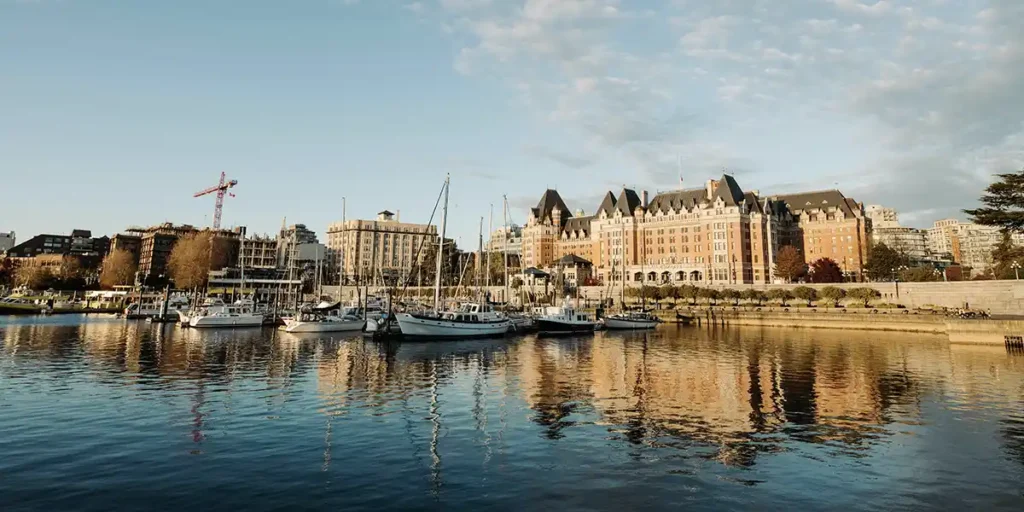
Victoria is the capital city of British Columbia. Its career opportunities in tech, health, and tourism, affordability, and unique blend of city life and natural beauty make Victoria one of the best places to live in Canada for young adults.
As one of the mid-sized Canadian cities, Victoria offers high average incomes and a lucrative job market, especially for primary care providers.
Residents enjoy lush landscapes, a pleasant climate with warm, dry summers and mild, wet winters. The only major drawback in British Columbia is the correspondingly high home prices and rising living costs.
Victoria offers a variety of beaches to enjoy. Popular options include Spiral Beach, Clover Point, Ross Bay Beach, and Cordova Bay Beach, which is great for swimming and sunbathing.
07/ Halifax, Nova Scotia
- Province: Nova Scotia
- Language: English
- Average asking rent: $1,505 per month for an available one-bedroom unit
- Climate pattern: Changeable maritime weather with precipitation throughout the year, snowy and rainy winters, mild summers, and occasional coastal storms.
- Major work sectors: Ocean technology, defense and aerospace, transportation and logistics, financial services, information technology, life sciences and education.
- Transport: Halifax Transit operates buses and passenger ferries. A car may be useful in suburban and rural parts of the municipality.
- Best for: Professionals in marine industries, defense, technology, education, and finance who want a medium-sized Atlantic coastal city.
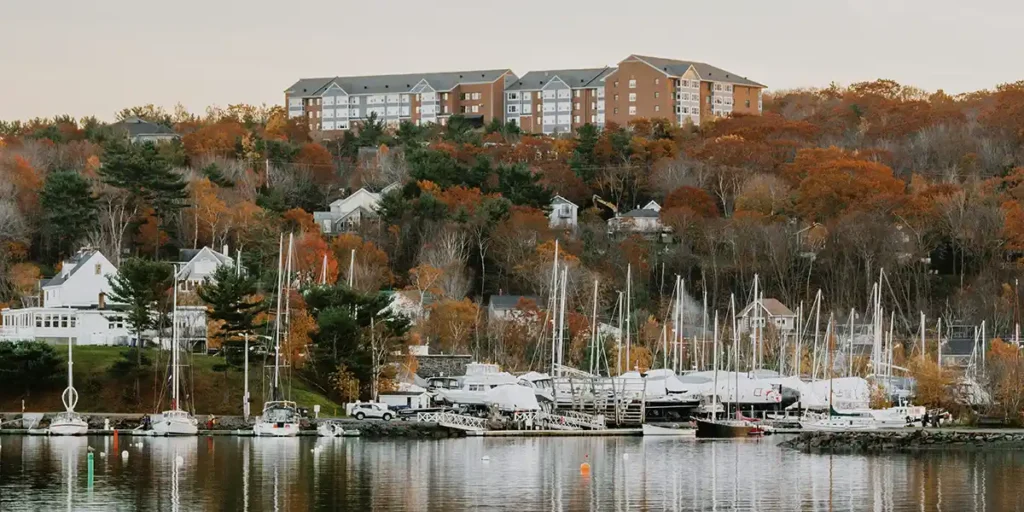
Halifax is one of the medium-sized cities on the east coast of Canada. Various key factors make it a popular destination for settling, such as housing affordability, a low crime severity index, tourist attractions, and a reasonable cost of living.
Halifax ranks fifth on Numbeo’s Safety Index for Canada, scoring 60.3 on the scale. That, combined with reasonable monthly living expenses, contributes to its high quality of life.
While the city has a thriving tech and business scene, it’s also a hub for arts, culture, and outdoor recreation, with highlights like the Halifax Jazz Festival, the historic Halifax Citadel, and the scenic Halifax Waterfront Boardwalk. Its Atlantic coast location also offers easy access to Lawrencetown Beach for a relaxed coastal lifestyle.
08/ Vancouver, British Columbia

- Province: British Columbia
- Language: English
- Average asking rent: $1,828 per month for an available one-bedroom unit
- Climate pattern: Mild, wet winters and generally warm, dry summers, with limited persistent snow at sea level.
- Major work sectors: Technology, film and television, digital media, life sciences, clean technology, tourism, international trade, and transportation.
- Transport: TransLink operates buses, SkyTrain, SeaBus, and the West Coast Express. Car-free living is practical in many central and transit-connected neighborhoods.
- Best for: Technology, media and life-sciences professionals seeking a multicultural city with extensive public transport and access to outdoor recreation.
Vancouver is the largest city in British Columbia, but it is also very expensive. The city is ethnically diverse for cosmopolitan living and boasts the highest benchmark home prices, on average, of $1,209,000.
Vancouver ranks among the top 10 cities on the EIU’s Global Liveability Index, which ranks the world’s most livable cities based on stability, healthcare, culture and environment, education, and infrastructure.
The city is surrounded by mountains, the Pacific Ocean, and lush greenery, offering numerous outdoor recreational opportunities like hiking, biking, and water sports.
Living in the city is easy with its excellent transport system, including access to buses, SkyTrain, and SeaBus.
09/ Winnipeg, Manitoba

- Province: Manitoba
- Language: English; French is also used within the city’s Francophone community, particularly around St. Boniface.
- Average asking rent: $1,356 per month for an available one-bedroom unit
- Climate pattern: Very cold, dry winters and warm summers, with substantial seasonal temperature changes.
- Major work sectors: Aerospace, advanced manufacturing, agribusiness, information and communications technology, creative industries, transportation and logistics.
- Transport: Winnipeg Transit operates regular and rapid-transit bus services. A car may be useful for journeys outside the main routes.
- Best for: Professionals in aerospace, manufacturing, agriculture, and technology who want a diverse Prairie city and can manage severe winters.
Winnipeg is the capital of Manitoba. This livable city is known to balance affordable home prices with a strong job market relative to smaller cities.
Due to Manitoba’s hydroelectric power, utility costs, especially for electricity, are considerably lower than in other provinces.
This livable city combines modern amenities with enough green space, although winters can get harsh. Winnipeg also embraces its diversity, home to a large immigrant community and host of Folklorama, the world’s largest and longest-running multicultural festival.
10/ Waterloo, Ontario
- Province: Ontario
- Language: English
- Average asking rent: $1,445 per month for an available one-bedroom unit
- Climate pattern: Cold, snowy winters and warm, humid summers.
- Major work sectors: Technology and innovation, advanced manufacturing, financial technology, insurance, health technology, and creative industries.
- Transport: Grand River Transit operates buses and the ION light-rail system across Waterloo and Kitchener. A car may be useful for workplaces outside the main transit corridor.
- Best for: Technology professionals, entrepreneurs, researchers, students, and workers in advanced manufacturing or financial services.
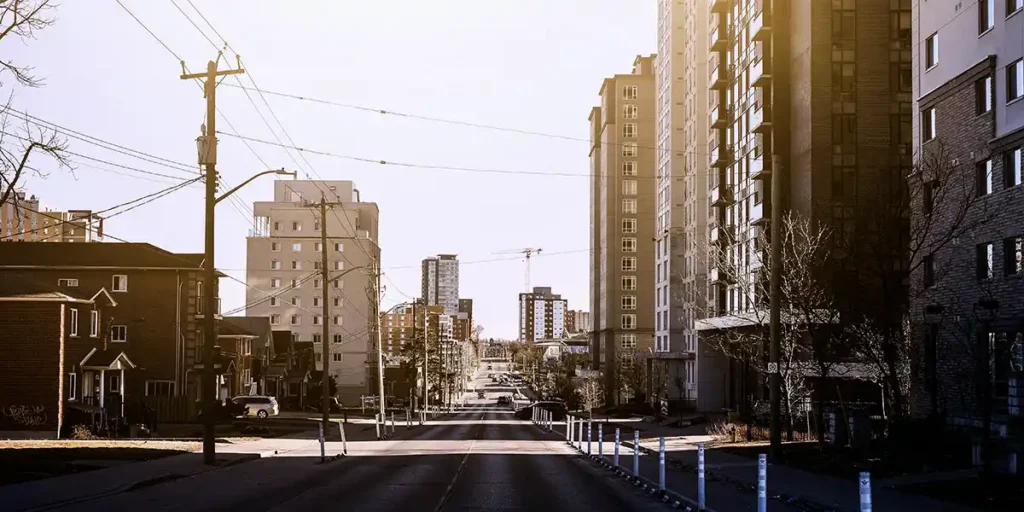
Waterloo is one of the mid-sized cities with a mix of modern amenities, excellent schools, and a well-developed tech industry.
It offers more affordable housing to accommodate the needs of residents of several life stages. Another advantage is that in Waterloo, there is not much traffic compared to larger cities. Waterloo is more affordable to live in compared to other cities like Toronto and Victoria.
Families with older children may consider the prestigious universities in the city for higher education, like the University of Waterloo and Wilfrid Laurier University, as well as Conestoga College.
Waterloo also experiences cold winters with regular snowfall and temperatures that can drop below -20 Degrees C, which should be kept in mind.
11/ Toronto, Ontario

- Province: Ontario
- Language: English; numerous other languages are widely spoken across the city’s diverse communities.
- Average asking rent: $1,633 per month for an available one-bedroom unit
- Climate pattern: Cold winters and warm, humid summers, with Lake Ontario moderating some temperature extremes.
- Major work sectors: Financial services, technology, life sciences, education, professional services, film and television, digital media, design, and food production.
- Transport: The TTC operates subways, streetcars, and buses, while GO Transit provides regional rail and bus connections. A car is not essential in many central neighborhoods.
- Best for: Professionals seeking a broad employment market, multicultural communities, extensive urban services and public transport.
Toronto is the biggest city in Canada and is considered by many to be the best place to live in Canada for immigrants and expats. Over half of Toronto’s residents were born outside Canada, making it one of the most culturally diverse cities in the world.
Toronto is a great choice for professionals in finance, tech, healthcare, and the creative industries, thanks to its many major banks, tech companies, and global businesses. The city is home to major companies such as Google, Microsoft, Amazon, and Cisco.
Housing prices and living expenses are high in the city, which can be a deciding factor for low-income families.
Toronto has an extensive public transit network that includes the TTC’s subways, buses, and streetcars, as well as GO Transit’s commuter rail, making it easy to get around.
12/ Saskatoon, Saskatchewan

- Province: Saskatchewan
- Language: English
- Average asking rent: $1,039 per month for an available one-bedroom unit
- Climate pattern: Dry, very cold winters and warm summers, with substantial seasonal temperature changes.
- Major work sectors: Agriculture, mining, energy, technology, life sciences, biotechnology, manufacturing, healthcare, and education.
- Transport: Saskatoon Transit operates local buses. A car may be useful for outer neighborhoods, industrial areas, and travel beyond the city.
- Best for: Professionals in agriculture, mining, technology, research, and healthcare seeking a smaller Prairie city.
Saskatoon is a city in central Canada that is part of the Prairie region. Its affordable home prices, high purchasing power, and many outdoor activities make it one of the best cities to live.
Saskatoon is known for its beautiful South Saskatchewan River views, numerous parks, and a growing economy, particularly in sectors like tech and mining. The city is becoming increasingly culturally diverse, with various cultural groups represented and celebrated through events like Folk Fest.
Housing costs in Saskatoon are also significantly lower than in major Canadian cities such as Toronto and Vancouver.
13/ Charlottetown, Prince Edward Island
- Province: Prince Edward Island
- Language: English; French is also present within Prince Edward Island’s Acadian and Francophone communities.
- Average asking rent: $1,111 per month for an available one-bedroom unit
- Climate pattern: Cold, snowy, and windy winters followed by mild to warm summers influenced by the surrounding sea.
- Major work sectors: Provincial government, healthcare, education, tourism, bioscience, information technology, agriculture, and agri-food.
- Transport: T3 Transit operates buses in Charlottetown and nearby communities, while Transit PEI connects destinations elsewhere on the Island. A car may be useful outside the capital area.
- Best for: Government, healthcare, bioscience, and tourism professionals seeking a smaller coastal capital.
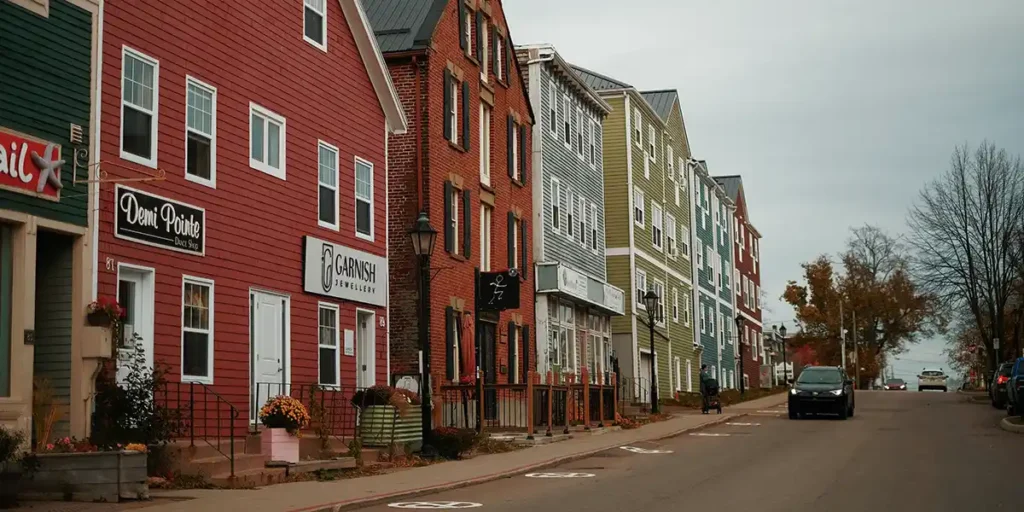
Charlottetown is a small city with a small-town feel and is among the most affordable places to live in Canada. Its benchmark home prices and living costs are among the lowest in the country.
It is one of the best cities to settle in on a tight budget for anyone who likes a quiet life and intimate surroundings.
The city offers a friendly atmosphere and a strong sense of community, and boasts well-preserved Victorian houses and a historic district.
14/ Fredericton, New Brunswick

- Province: New Brunswick
- Language: English; French is valuable in officially bilingual New Brunswick, particularly for government and public-facing roles.
- Average asking rent: $1,161 per month for an available one-bedroom unit
- Climate pattern: Cold, snowy winters and warm, humid summers.
- Major work sectors: Provincial government, education, research, cybersecurity, information technology, engineering, healthcare, and defense.
- Transport: Fredericton Transit operates local buses. A car may be useful for areas or working hours not well served by scheduled routes.
- Best for: Public-sector employees, researchers, technology professionals, and families seeking a smaller provincial capital.
Fredericton is among the best cities to live in Canada. A few of the city’s best qualities include housing affordability, low crime rates, and economic opportunities.
While it experiences cold Canadian winters with plenty of snow, it also boasts the beautiful riverfront of the Saint John River, also known as the Wolastoq, and numerous trails for outdoor recreation, including skiing.
Fredericton is considered the cultural capital of New Brunswick, with a thriving arts scene showcased at venues like the Beaverbrook Art Gallery and exhibits at the Fredericton Region Museum.
The low property prices and high average salaries make it a family-friendly environment.
15/ Québec City, Québec
- Province: Québec
- Language: French
- Average asking rent: $1,828 per month for an available one-bedroom unit
- Climate pattern: Long, cold and snowy winters followed by warm, humid summers.
- Major work sectors: Provincial government, insurance and financial services, information technology, life sciences, health technology, optics and photonics, tourism, and manufacturing.
- Transport: Réseau de transport de la Capitale operates Québec City’s bus network. A car may be useful in outer neighborhoods and surrounding municipalities.
- Best for: French-speaking professionals and families interested in government, insurance, technology, research and historic city living.
Quebec City is one of the safest cities in the country, ranking in first place on Numbeo’s Safety Index for Canada. Quebec City has many job opportunities, historic sites, fresh air with low pollution, and beautiful landscapes.
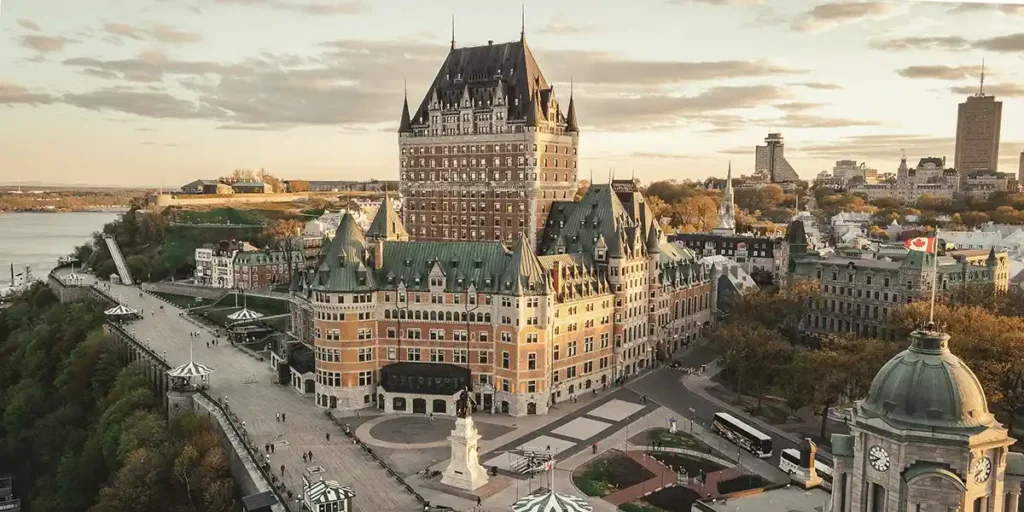
Known worldwide for its rich history and European charm, Québec City is recognized as a UNESCO World Heritage treasure, recognized for its well-preserved 17th and 18th-century architecture in Old Quebec.
Quebec City is one of the best places to live in Canada for families with high French proficiency seeking housing affordability. The city’s strong economy, rich culture, and high quality of life attract those seeking a balance between affordability, modern conveniences, and vibrant heritage. Quebec City’s compact size and bike-friendly infrastructure also contribute to its livability.
How to Choose a Canadian City
The best city in Canada will depend on both your immigration options and your practical needs. Start by confirming where you are eligible to live, work, or study, then compare suitable cities.
Immigration status comes before city choice
Choosing a city does not give you the right to live or work in Canada. First, identify whether you qualify through permanent residence, a work permit, a study permit, or another immigration route. Note that some pathways also affect location: Provincial Nominee Program applicants must intend to live in the province or territory that nominates them, while students must attend an approved designated learning institution.
Housing, work, language, climate and transport
Once you know which locations fit your immigration pathway, compare:
- Housing: Review current local listings and distinguish advertised asking rent from rent already paid by existing tenants.
- Work: Check whether the city has opportunities in your field and whether your profession requires Canadian licensing.
- Language: Consider whether you need French, English or both for work and daily life.
- Climate: Assess whether you can manage the local winters, summers and seasonal conditions.
- Transport: Check commute times, public transport coverage and whether you would need a car.
You should consider these factors together. For example, a lower rent may provide little practical benefit if the city lacks suitable work or requires a car for everyday travel.

These practical steps will help you choose the best place to live in Canada.
Start with an honest conversation with yourself
Before comparing cities, be clear on what you actually need versus what sounds appealing. Lower housing costs mean little if there are no jobs in your field. A vibrant city with high salaries may not work if the cost of living absorbs everything you earn. Write down your non-negotiables first, then let the data follow.
Do deeper research
Home prices and average salaries are a starting point, not the full picture. Look at provincial tax rates and consider healthcare wait times, school rankings if you have children, and whether a region’s economy is growing or dependent on a single industry.
Take Canadian winters seriously
This is one of the most consistently underestimated factors among newcomers. The Canadian winter can be intense, especially for people relocating from warmer countries. Cities like Vancouver rarely see snow; however, temperatures can fall below -20°C in Winnipeg or Waterloo for weeks at a time.
Think about how you will actually get around
Toronto, Vancouver, and Montréal have functioning public transit networks. However, having a car is not optional in most other cities on this list, such as Calgary, Edmonton, Halifax, and Fredericton.
Build a complete cost picture
Two cities with similar average home prices can have very different day-to-day costs once you account for provincial sales tax, fuel prices, winter utility bills, insurance rates, and grocery costs. Be sure to run the numbers for your specific household composition.
Talk to people who made the move before you
Online expat communities, settlement forums, and local Facebook and Reddit groups are some of the most honest sources of information available. People who already live in your shortlisted areas will tell you things that rankings and official guides will not. You will get deeper insight into how long commutes actually take, and which neighborhoods genuinely feel welcoming to newcomers.
Test it before you commit
A short-term rental stay of several weeks, ideally across different seasons, is the most practical way to assess a city before signing a long-term lease or purchasing property. Try to live at the city’s actual pace, not the pace of a holiday, as this will provide a clear idea of what the city is like.
