
With over 1.7 million homes sold and an increase of 14.3% for total house sales in 2025 compared to the previous year, according to the Turkish Statistical Institute, buying property in Turkey presents a fantastic opportunity to invest in a growing real estate market.
You can enjoy life on the Mediterranean coast and, in some cases, qualify for Turkish citizenship at the same time. Whether you are looking for a holiday home, a rental investment, or a pathway to citizenship, it is important to understand the legal steps, costs, and market trends before making a purchase.
Global Citizen Solutions has produced this guide to take you through everything you need to know about buying property in Turkey in 2026, including investment options, financing, taxes, and essential tips for foreign buyers.
Buying Property in Turkey: Key Takeaways


Under Article 35 of Turkey’s Land Registry Law No. 2644, most foreign nationals can buy property in Turkey in their own name with nearly the same rights as Turkish citizens.
Since legal reforms removed the reciprocity rule, most nationalities can purchase residential and commercial property in Turkey without major restrictions.
Rules for foreign buyers in Turkey:
- A foreign buyer cannot purchase more than 30 hectares of land in total.
- Property cannot exceed 10% of a district’s total area
- Property cannot be located in military or security zones
- Agricultural land purchases may require additional approval
Foreign investors have many reasons to consider purchasing real estate in Turkey:
- Residency and citizenship eligibility: Buying property valued at $200,000 or more qualifies investors for a Turkish residence permit. Increasing the investment to at least $400,000 qualifies for the citizenship program.
- Affordable luxury: Average house prices in Turkey are lower than in Western countries, allowing buyers to purchase high-end properties for the cost of an average home in the US or Europe. For example, based on Numbeo data, a 100 m² apartment in a city center costs around $176,000, while similar properties in the US cost about $331,000 and in the UK almost $570,000.
- Strong rental potential: As one of the world’s most popular tourist destinations, Turkey offers excellent opportunities for profitable short and long-term rentals. In Turkey, a one-bedroom city-center apartment can be rented for approximately $583 per month, while outside the center, the average monthly rent is $414, with higher average prices in popular tourist destinations.
- Low cost of living: Besides the affordable cost of Turkish real estate investment, the cost of living is significantly lower than in Western Europe, making it attractive to expatriates, retirees, and investors seeking vacation properties.
- Mediterranean lifestyle: Many regions enjoy a pleasant climate year-round, beautiful coastlines, and a high quality of life.
- Government incentives: The Turkish government provides tax benefits and a streamlined buying process to encourage foreign investment.
- Few foreign ownership restrictions: Foreign nationals can purchase real estate freely across Turkey, except for properties larger than 30 hectares.
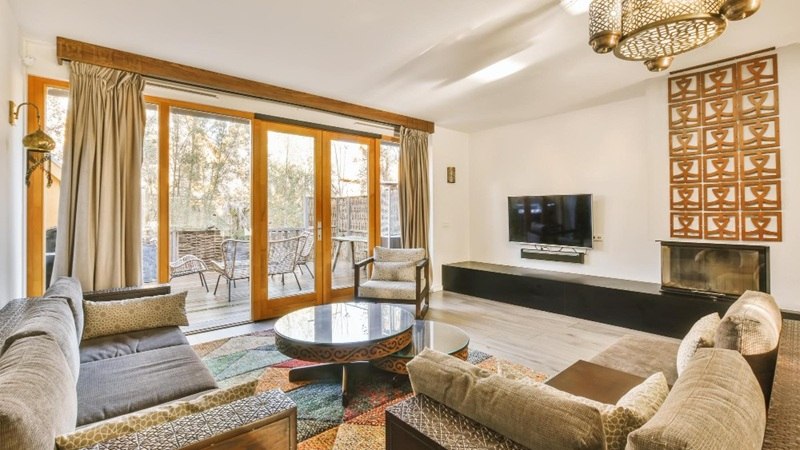
Modern lifestyle and family residences
- Location: Beylikdüzü, Istanbul
- Property type: Three-bedroom, two-bathroom apartment
- Price: $415,000
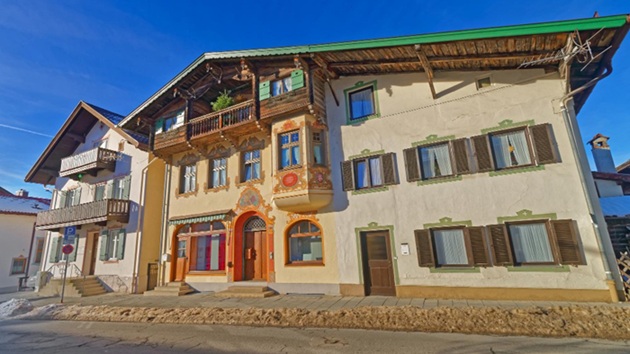
Commercial property
- Location: Lara, Antalya
- Property type: 800-square-meter commercial building featuring retail space on the ground floor and apartments above
- Price: $967,000
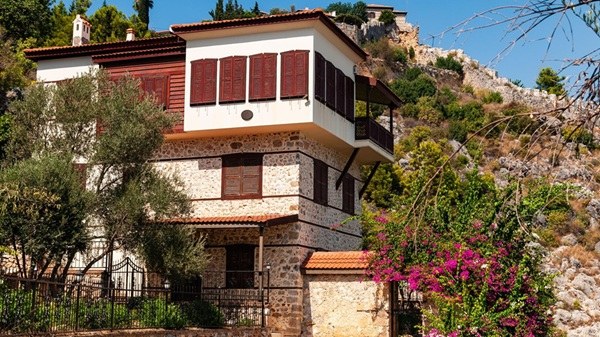
Sunset-view villa
- Location: Bodrum, Yalikavak
- Property type: Sea-view, four-bedroom, two-bathroom villa, with guest apartment
- Price: $675,000

- Obtain a Turkish tax number: A tax identification number (Vergi Kimlik Numarası) from the local tax office is required before purchase and before opening a Turkish bank account.
- Open a Turkish bank account: You will need a Turkish bank account number to transfer the funds for the property transaction, taxes, and various fees.
- Identify property and negotiate terms: You can work with a trusted local real estate agent to find the ideal property. If you are buying property to obtain Turkey Citizenship by Investment, Global Citizen Solutions will help in finding the perfect property for your needs that meets all requirements, including minimum investment thresholds.
- Sign the sales agreement and pay a deposit: Once you are satisfied with the property, you will sign a sales agreement and pay a deposit, typically 5% to 10% of the property’s value.
- Mandatory government‑licensed valuation: All foreign buyers are required to obtain an official property valuation (ekspertiz) report before title transfer.
- Land registry clearance: The local land registry office checks for military or zoning restrictions and compliance with land registry law.
- Title deed transfer (Tapu): Once the final payment for the property has been made, along with all fees and taxes, the General Directorate of Land Registry and Cadastre will transfer the property.
- Utility transfers and registration: Finally, once the property is in your name, you must transfer or register for utilities and annual property taxes.
When purchasing property in Turkey as a foreigner, there are several mandatory Turkey property taxes, fees, and expenses to consider. These costs are regulated by Turkish law and may vary slightly depending on the property location and type.

Foreign investors have multiple funding options when buying a property in Turkey.
Mortgage
Foreigners can obtain mortgages in Turkey. However, it is important to consider the following:
- The loan‑to‑value ratios are generally conservative
- Terms are less favorable than for Turkish citizens
- Documentation requirements are strict
Gifted Funds
Money received as a gift from family or associates can be used to purchase a property in Turkey. You will need to provide proper documentation to support that the funds are indeed a gift and not a loan.
Sponsorship
Third‑party financial assistance, for example, from a family member, is allowed with supporting documentation.
The Turkish property market is among the most attractive in Europe, offering strong potential for both capital appreciation and rental income.
- High rental yields: In popular cities and coastal holiday destinations, stable gross rental yields mean you can earn a steady income.
- Tourism-driven demand: As the 4th most visited country in the world, renting property in Turkey for short-term periods of vacations is in high demand.
- Flexible rental options: Investors can choose between short-term rentals (like vacation homes or Airbnb) for higher seasonal income, or long-term rentals for stable monthly revenue. A popular option for many is to use their properties as an Airbnb in Istanbul, Turkey.
- Guaranteed rental schemes: Some developers offer fixed annual returns, providing steady income without managing tenants directly.
Property prices are based on data published by Numbeo.
Property purchases of at least $400,000 may qualify foreign investors for the Turkey Citizenship by Investment Program. Key requirements for Turkish citizenship through property investment include:
- Minimum property value $400,000
- Hold the property for at least three years
- Clean criminal record and basic eligibility checks
Citizens receive a Turkish passport with visa free or visa on arrival access to over 130 countries worldwide, according to the Global Passport Index. Global Citizen Solutions is a trusted Turkey migration expert, working alongside the very best Turkey citizenship lawyers that have years of experience to ensure your citizenship application is stress-free and legally sound from start to finish.
Joe Rice, Head of Citizenship Programs at Global Citizen Solutions, explains what a qualifying property investment looks like in reality.
“Turkey’s real estate option remains one of the most straightforward pathways to citizenship, but meeting the $400,000 minimum purchase is only part of the process. Investors need to ensure that the property valuation, whether they’re purchasing one or multiple properties, payment records, and title restrictions, all satisfy the program’s requirements.”

- Check the legal and title status: Confirm the seller is the true owner, that the Tapu (Title Deed) is clear, and the property’s legal status. Avoid properties located in restricted military areas.
- Confirm property status and zoning: Ensure the Turkish property has valid habitation licenses (iskân) and is suitable for residential use.
- Manage currency risk: Keep in mind that Turkish Lira volatility can affect purchase costs and rental income. Use a Turkish bank for the required Foreign Exchange Certificate (Döviz Alım Belgesi).
- Follow regulatory requirements: Complete all legal procedures for foreign property ownership and confirm the investment meets the $400,000 minimum if buying for citizenship. Additionally, while a foreign national can buy most property in Turkey, a purchase to qualify for citizenship must be made by a Turkish citizen or entity, not by another foreign national or by a Turkish citizen through investment.
- Perform due diligence: Check for unpaid taxes and mortgages before purchase.
- Check location constraints: Remember that foreigners can acquire up to 30 hectares, and some areas remain off-limits.
- Budget for extra costs: Include Title Deed fee, Transfer Tax (4%), notary fees, valuation reports, and agent commissions.
- Maintain citizenship eligibility: Hold the property for at least three years to retain eligibility for Turkish citizenship.
- Specialist expertise in the Turkey Citizenship by Investment Program
- Careful screening of qualifying investment options
- Trusted by 15,000+ clients worldwide
- Over a decade of advisory expertise
- Dedicated relationship manager
- Transparent fees and guidance
- Support beyond approval
